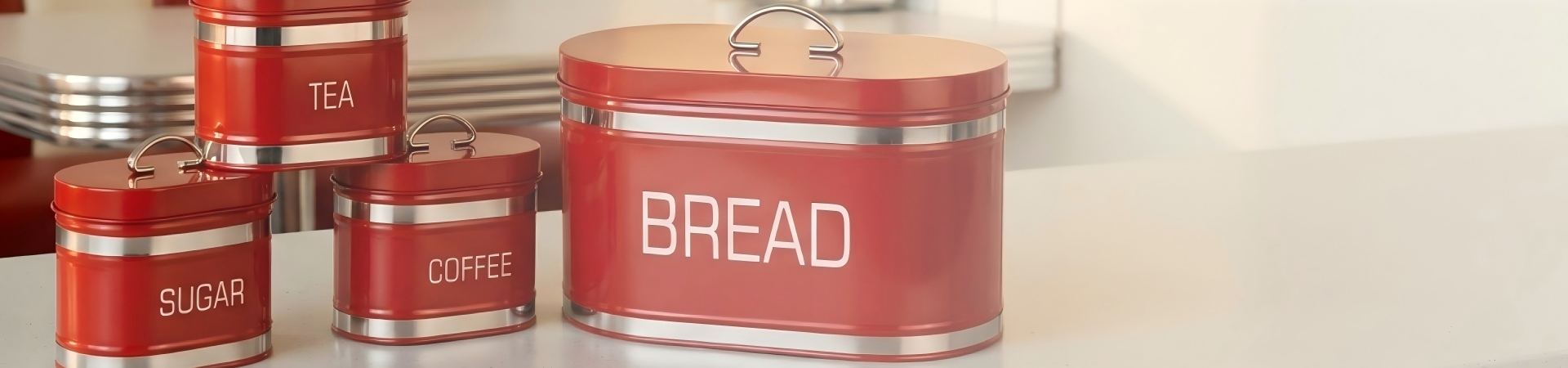
Bread boxes are used to protect bread from fast drying, dust, kitchen odor, and unstable humidity. Bread left in open air loses moisture quickly, while fully sealed plastic storage may trap too much moisture and increase mold risk.
Bread storage has always been a critical consideration for both home kitchens and commercial baking operations. Research conducted by food storage studies shows that bread exposed to ambient air can lose up to 20% of its moisture within 24 hours, leading to staling and reduced palatability.
Bread tends to lose freshness quickly due to exposure to air, humidity, and temperature fluctuations. Studies indicate that bread left uncovered on a countertop can lose up to 35% of its moisture within 24 hours, leading to staling and a harder texture.
Bread tends to lose its freshness quickly due to exposure to air, moisture, and varying temperatures. Research shows that bread left on an open countertop can lose up to 40% of its moisture within 24 hours, causing a dry texture and faster staling.
Metal bread boxes, especially those exposed to moisture, oils, and fluctuating kitchen environments over time, can develop oxidation, surface discoloration, and minor rust.
Metal bread boxes, especially those used for extended periods, often accumulate residues from flour, crumbs, and oils, which can become embedded in corners and seams. Oxidation can also occur on galvanized or coated iron surfaces, causing discoloration or minor rust spots.
Metal bread boxes are designed to preserve the freshness of bread and other baked goods by providing a controlled environment that balances air circulation and humidity. Bread left on open shelves tends to dry out quickly, losing texture and flavor, while excessive moisture can encourage mold growth.