
HUAQING


Email: huaqingwj@21cn.com


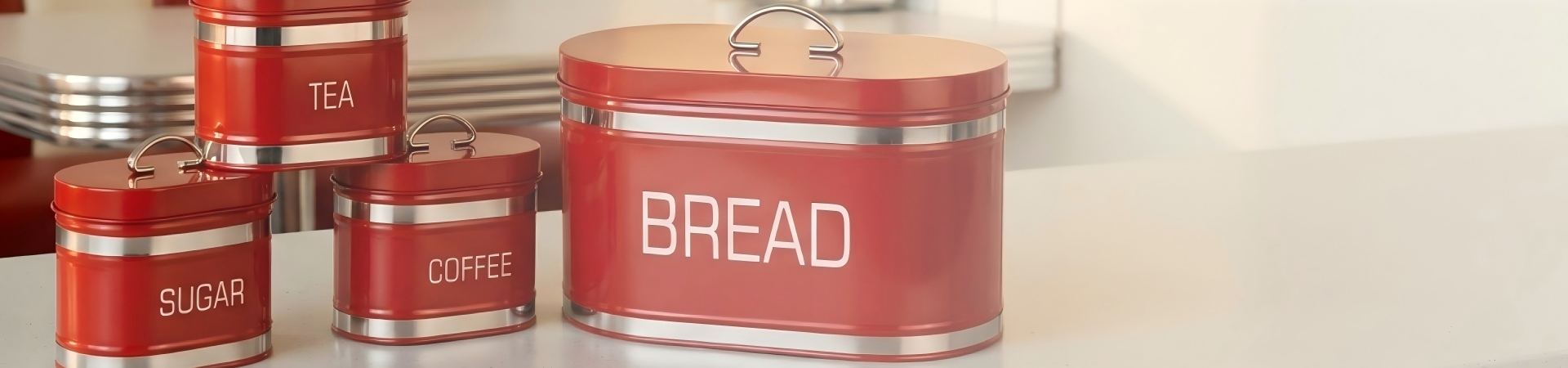
Kitchen organization products need to balance functionality, appearance, and long-term performance. As one of the most frequently used kitchen accessories, a Utensil Holder must withstand daily handling, moisture exposure, cleaning processes, and the weight of different cooking tools.
Among popular materials, stainless steel utensil holders and ceramic utensil holders are two common choices. Ceramic holders are appreciated for their decorative appearance and stable structure, while stainless steel holders are valued for durability, corrosion resistance, and easy maintenance.
For manufacturers, choosing the right material involves more than visual design. Material performance, production technology, quality control, packaging, and export requirements all influence the final product quality. HUAQING specializes in metal homeware manufacturing, including stainless steel utensil holders, Kitchen Storage products, Bread Boxes, and customized kitchen organization solutions. With OEM and ODM capabilities, HUAQING supports product development from design, sampling, production, and packaging to global delivery. (jmhuaqing.com)
The biggest difference between these two materials is structural strength and maintenance performance.
Stainless steel is a metal alloy known for corrosion resistance and mechanical strength. Ceramic is produced through high-temperature firing, creating a hard surface with strong visual appeal but lower impact resistance.
| Comparison | Stainless Steel Utensil Holder | Ceramic Utensil Holder |
|---|---|---|
| Material | Stainless steel | Ceramic or porcelain |
| Durability | High impact resistance | Hard but brittle |
| Moisture Resistance | Excellent | Good with quality glaze |
| Weight | Lightweight to moderate | Usually heavier |
| Cleaning | Easy maintenance | Easy but requires careful handling |
| Appearance | Modern and professional | Decorative and elegant |
| Breakage Risk | Low | Higher under impact |
Stainless steel is widely used in kitchen products because it resists rust, staining, and moisture exposure. Ceramic offers a smooth non-porous surface when properly glazed but can crack or chip from strong impact.
The biggest advantage of stainless steel is long-term structural performance.
Kitchen utensil holders experience:
Frequent tool insertion and removal
Contact with water and steam
Regular cleaning
Movement on countertops
Stainless steel provides:
Strong impact resistance
Stable shape retention
Lower risk of cracking
Longer service life
Unlike ceramic materials that may break after strong impact, stainless steel can withstand daily handling conditions more effectively.
For busy kitchens, durability is often the most important consideration when selecting storage accessories.
Kitchen environments naturally contain moisture from:
Washing
Cooking steam
Wet utensils
Stainless steel performs well because chromium in the alloy forms a protective surface layer that helps resist oxidation and corrosion.
Benefits include:
Reduced rust risk
Easy cleaning
Better surface stability
Long-lasting appearance
For kitchen accessories that are frequently exposed to water, stainless steel provides reliable performance.
A utensil holder needs regular cleaning because it stores tools that come into direct contact with food.
Stainless steel surfaces provide advantages including:
Smooth surface structure
Less odor retention
Easy wiping
Simple daily maintenance
The non-porous surface helps reduce the accumulation of food residues and makes cleaning more efficient.
Stainless steel creates a professional and clean visual style.
Common finishes include:
Brushed stainless steel
Matte coating
Powder coating
Gloss finishing
These finishes allow manufacturers to create products suitable for:
Modern kitchens
Premium homeware collections
Commercial kitchen environments
HUAQING provides customized metal kitchen accessories with flexible surface treatment and design options.
Ceramic holders are popular because of their visual appeal.
Advantages include:
Elegant appearance
Rich color options
Decorative value
Premium handmade feeling
They can complement:
Traditional kitchens
Farmhouse-style kitchens
Decorative countertop displays
Ceramic products often become part of kitchen decoration rather than only storage tools.
Ceramic utensil holders are usually heavier than metal alternatives.
This provides:
Good countertop stability
Reduced movement during use
Strong visual presence
A heavier holder can help prevent tipping when storing multiple cooking tools.
High-quality ceramic with proper glazing provides:
Smooth surface
Easy cleaning
Resistance to stains
The glazed surface creates a protective layer that improves appearance and maintenance performance.
However, the durability of ceramic depends greatly on glaze quality and manufacturing control. Improper firing or weak glaze performance can increase risks of cracking or surface damage.
Material quality directly affects product lifespan.
Professional manufacturers evaluate:
| Material Factor | Importance |
|---|---|
| Material Grade | Product durability and safety |
| Thickness | Structural strength |
| Surface Treatment | Appearance protection |
| Production Accuracy | Product consistency |
For stainless steel utensil holders, manufacturers focus on:
Stainless steel grade
Metal thickness
Welding quality
Surface polishing
Coating performance
For ceramic utensil holders:
Clay quality
Firing temperature
Glaze performance
Surface consistency
A reliable material standard helps ensure stable product quality.
Different markets require different designs, colors, and functions.
A professional utensil holder manufacturer should provide complete customization support.
Manufacturers analyze:
Kitchen style
Product application
Capacity requirements
Material preference
The factory confirms:
Product structure
Dimensions
Surface treatment
Manufacturing feasibility
Samples are tested for:
Appearance
Stability
Function
Assembly quality
Production focuses on:
Consistent quality
Stable output
Export packaging
HUAQING supports OEM and ODM development for customized kitchen organization products, including metal utensil holders.
A professional metal homeware factory requires strict production management.
Typical processes include:
Material cutting
Metal forming
Welding
Polishing
Surface treatment
Assembly
Important production controls include:
Shape accuracy
Welding quality
Surface smoothness
Structural stability
Typical processes include:
Material preparation
Molding
Drying
High-temperature firing
Glazing
Inspection
Important controls include:
Shape consistency
Glaze quality
Crack prevention
Surface finish
Different materials require different manufacturing expertise.
Quality inspection ensures reliable product performance.
| Inspection Stage | Quality Focus |
|---|---|
| Material Inspection | Verify material standards |
| Production Inspection | Monitor manufacturing process |
| Surface Inspection | Check appearance |
| Function Testing | Verify stability |
| Final Inspection | Approve shipment |
For stainless steel utensil holders, quality checks include:
Rust resistance
Surface scratches
Welding strength
Product balance
For ceramic utensil holders:
Cracks
Glaze defects
Color consistency
Impact risks
Large kitchen accessory projects require stable manufacturing capability.
A reliable manufacturer should provide:
Consistent production capacity
Flexible customization
Quality management systems
Export packaging solutions
A project sourcing checklist should include:
| Evaluation Factor | Purpose |
|---|---|
| Material Selection | Match market positioning |
| Production Capability | Support volume requirements |
| Quality System | Maintain consistency |
| Customization Ability | Create product differentiation |
| Packaging Method | Reduce transportation risks |
Working directly with a manufacturer improves control over:
Product design
Material selection
Production scheduling
Quality standards
Kitchen accessories supplied internationally need to consider:
Material requirements
Product safety expectations
Packaging standards
Documentation
Professional manufacturers understand that export markets require consistent quality and reliable production systems.
Factory-controlled manufacturing helps maintain product consistency across different markets.
The better choice depends on the application.
| Application | Recommended Material |
|---|---|
| Long-Term Daily Use | Stainless Steel |
| High Moisture Environment | Stainless Steel |
| Modern Kitchen Collection | Stainless Steel |
| Decorative Countertop Design | Ceramic |
| Traditional Kitchen Style | Ceramic |
Stainless steel utensil holders provide stronger durability, better moisture resistance, and lower maintenance requirements.
Ceramic utensil holders provide excellent appearance and decorative value but require more careful handling because they are more vulnerable to impact damage.
For kitchen accessory collections focused on long-term performance and reliable use, stainless steel usually provides stronger overall durability.
The difference between stainless steel and ceramic utensil holders is not only about material choice. Successful product development depends on manufacturing capability, material control, customization support, and quality management.
A professional manufacturer should provide:
OEM and ODM capability
Stable production processes
Material management
Surface treatment expertise
Quality inspection systems
Export experience
As a professional metal homeware manufacturer, HUAQING combines manufacturing experience, customized development capability, and quality systems to provide reliable kitchen organization solutions for global markets.