
HUAQING


Email: huaqingwj@21cn.com


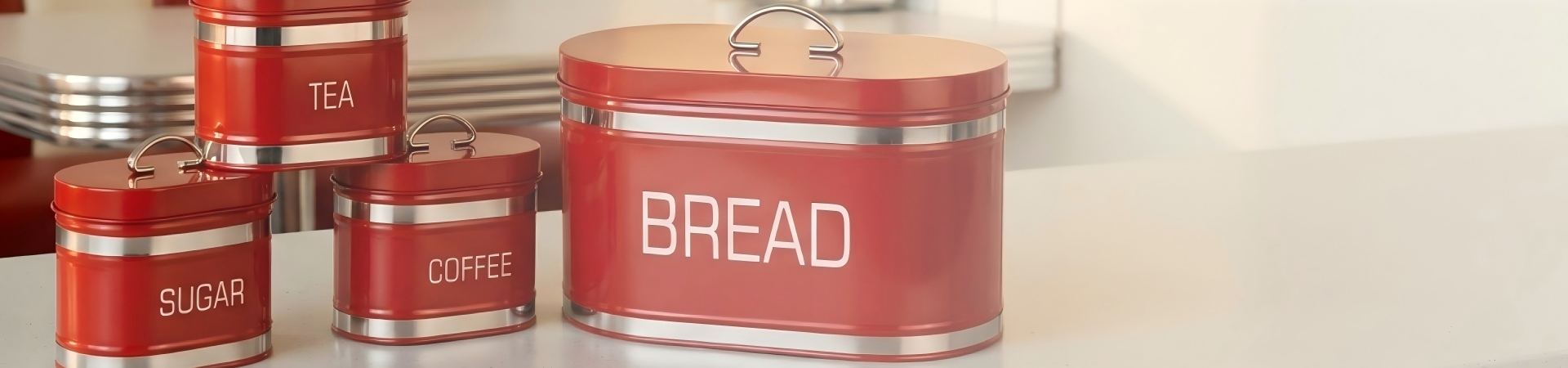
Stainless steel Kitchen Storage products are generally better for durability, premium positioning and long-term use, while plastic storage products offer lower cost and lightweight advantages. The better choice depends on market positioning, application needs and buyer expectations.
Stainless steel kitchen storage products and plastic storage products serve the same basic purpose — organizing food, utensils and household items — but they differ significantly in material performance, appearance, lifespan and market value.
For brands, retailers and importers, the decision is not only about choosing a storage container. It is about selecting products that match customer expectations, retail positioning and long-term supply stability.
Stainless steel products are commonly used for premium kitchen storage solutions because of their strong structure, clean appearance and resistance to daily wear. Plastic products are often selected for budget-friendly markets due to their low production cost and flexible design options.
From a manufacturing perspective, stainless steel kitchen storage products also provide more opportunities for premium finishes, customized designs and brand differentiation.
Durability is one of the biggest advantages of stainless steel kitchen storage products.
Stainless steel has excellent resistance to corrosion, impact and temperature changes. In daily kitchen environments, storage products are exposed to moisture, cleaning processes and frequent handling. Stainless steel structures can maintain their appearance and performance for a longer period compared with many plastic alternatives.
For wholesale buyers and homeware brands, durability directly affects customer satisfaction and product reviews. Products with longer service life can help reduce replacement frequency and improve brand reputation.
As a professional metal homeware manufacturer, HUAQING focuses on producing metal kitchen storage products with stable structures, reliable surface finishing and consistent quality for global markets.
Plastic storage products have advantages in price, weight and manufacturing flexibility.
Because plastic materials generally have lower production costs, plastic storage containers are widely used in mass-market retail channels where affordability is the primary purchasing factor.
Plastic products are also easier to produce in various shapes, colors and transparent designs, making them suitable for customers who prefer lightweight and colorful storage solutions.
However, for brands targeting mid-range or premium kitchenware markets, low price alone may not create strong product differentiation. Stainless steel products often provide a stronger visual impression and higher perceived value.
For modern kitchens, appearance has become an important purchasing factor.
Stainless steel kitchen storage products offer a clean, professional and contemporary appearance. Their metallic finish matches many kitchen styles, including minimalist, modern and commercial kitchen designs.
Plastic storage products can provide more color choices, but some consumers associate plastic materials with lower durability or lower-end positioning.
For homeware brands, stainless steel products can support a more premium product image and create stronger shelf appeal in retail stores and online marketplaces.
OEM customization is an important consideration for international buyers.
Stainless steel kitchen storage products usually provide strong customization opportunities, including:
Product size adjustments
Shape modifications
Surface finishing options
Logo application
Packaging customization
New product development
For example, manufacturers can develop customized Bread Boxes, storage canisters, Utensil Holders and kitchen organizers according to brand requirements.
Plastic products also support customization, but stainless steel often provides better opportunities for creating differentiated products with higher perceived value.
The best choice depends on the target market.
Premium kitchenware brands
Home organization brands
Department stores
Lifestyle retailers
Customers seeking durable products
Budget retail channels
Large-volume low-cost markets
Temporary storage solutions
Price-sensitive consumers
For distributors and importers, stainless steel products can create stronger brand positioning, while plastic products may focus more on volume sales.
For brands looking for long-term market value, stainless steel kitchen storage products are often the better choice because they combine durability, premium appearance and customization potential.
Plastic storage products remain competitive in cost-sensitive markets, but stainless steel products provide stronger opportunities for building a recognizable homeware brand.
When selecting a manufacturing partner, buyers should consider not only material choice but also production capability, quality control and OEM support.
HUAQING specializes in metal home storage products, providing OEM and ODM manufacturing solutions for global brands, retailers and distributors. With professional production capabilities, customized development support and export experience, HUAQING helps partners create reliable kitchen storage product lines.
Stainless steel is widely preferred for kitchen applications because it is durable, easy to clean and does not easily absorb odors. Many premium kitchenware brands choose stainless steel for long-term food-related storage solutions.
Yes, stainless steel products usually have higher material and manufacturing costs than plastic products. However, they also provide higher perceived value and longer service life.
Yes. Professional manufacturers can customize sizes, colors, finishes, packaging and designs based on brand requirements.
For premium positioning and long-term brand development, stainless steel is usually the preferred option. For low-cost markets, plastic may be more suitable.