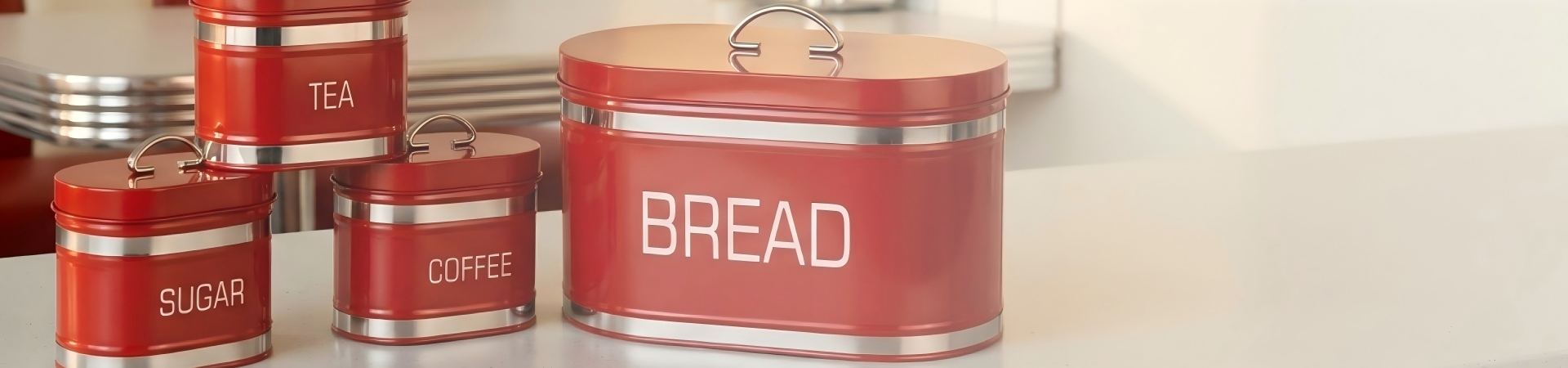
Does A Bread Box Keep Bread Fresher Longer? It can, when the design controls airflow and moisture properly. Bread loses softness when moisture moves out of the crumb, while too much trapped humidity can increase mold risk.
Does A Bread Box Do Anything for bread freshness, or is it only a kitchen decoration? A bread box helps manage air exposure, dust, and moisture balance. Bread becomes hard when moisture leaves the crumb too quickly, while mold risk rises when warm moisture is trapped with poor airflow.
Does a bread box actually work? The answer depends on the material, ventilation design, surface treatment, and how the bread is stored after baking. Bread becomes dry when moisture escapes too quickly, but it can also develop mold when too much humidity is trapped around the loaf.
Bread storage plays a critical role in maintaining freshness, taste, and shelf life. Bread left in open air loses moisture rapidly, leading to staleness within one to two days.
Bread boxes are designed to provide a controlled environment for baked goods, balancing airflow and moisture to prolong freshness. When considering the storage of potatoes in a bread box, several factors influence the outcome. Potatoes naturally emit moisture and gases that can accelerate sprouting and spoilage when kept in confined spaces.
Bread boxes are primarily designed to store baked goods in a controlled environment that moderates airflow, moisture, and temperature. When fruit is placed in a bread box, the high moisture content and natural ethylene gas emitted by many fruits can alter the microenvironment, increasing the risk of mold or accelerated spoilage for bread stored alongside.
Bread boxes are useful because bread is sensitive to air, moisture, temperature, and kitchen odor. When bread is left uncovered, it can dry out faster. When bread is stored in a fully sealed plastic bag, trapped moisture may increase mold risk.
Bread boxes are not always necessary for every kitchen, but they are useful when bread needs a cleaner, more organized room-temperature storage space. Bread becomes dry when it is exposed to open air, while too much trapped moisture can increase mold risk.
Bread boxes are good to use when the design balances protection and airflow. Bread becomes dry when it is exposed to open air, but it may mold faster when moisture is trapped in a fully sealed space.
Proper bread storage is critical to maintain freshness, texture, and flavor. Bread staling occurs due to moisture loss and exposure to air, while mold development is accelerated when humidity is high or inconsistent.
Bread storage is a critical factor in maintaining freshness, texture, and flavor. Bread staling occurs due to moisture migration and exposure to air, while mold growth is accelerated by uncontrolled humidity and temperature fluctuations.
Bread staling and mold growth are common concerns for consumers and commercial kitchens. Bread loses freshness due to moisture loss, air exposure, and temperature fluctuations.